
Why Green Lake Is One of Seattle’s Most Desirable Neighborhoods
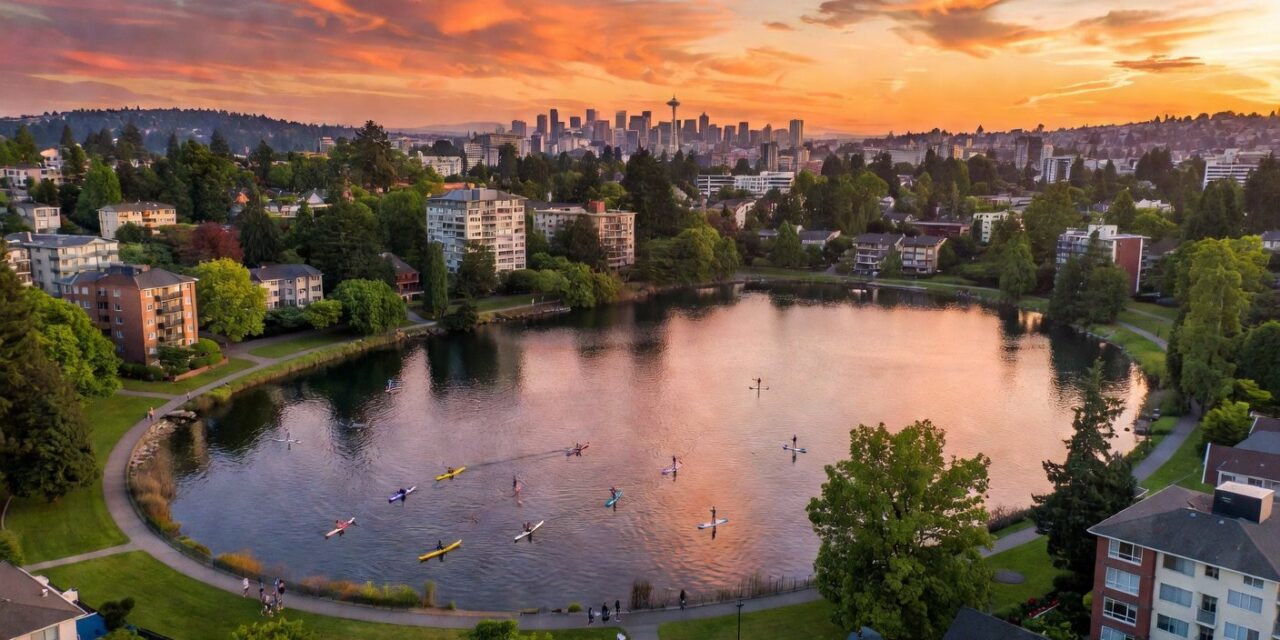
Green Lake has emerged as one of Seattle’s most coveted residential areas, attracting renters who value both urban convenience and outdoor lifestyle. The neighborhood’s centerpiece—the 64-acre Green Lake itself—creates a unique living environment where apartment dwellers enjoy immediate access to walking trails, water activities, and parks without leaving the neighborhood. This combination of natural amenities and city accessibility makes Green Lake apartments particularly appealing to young professionals, families, and outdoor enthusiasts. The area’s popularity has grown steadily over the past decade, transforming it from a quiet residential pocket into a vibrant community with excellent restaurants, independent shops, and cultural venues. For renters considering Green Lake apartments in Seattle, WA, understanding what makes this neighborhood special helps inform whether it aligns with your lifestyle and priorities.
The neighborhood’s appeal extends beyond its natural features. Green Lake benefits from strong walkability, reliable public transportation connections via King County Metro, and proximity to major employment centers including downtown Seattle and the University District. Renters appreciate the sense of community fostered by neighborhood events, farmers markets, and local businesses that have operated for decades alongside newer establishments. The area attracts a diverse demographic—from families with children to retirees seeking active lifestyles—creating a multigenerational community atmosphere. Housing demand remains consistently high, which means Green Lake apartments tend to rent quickly and command competitive pricing. Understanding the neighborhood’s character and amenities helps renters evaluate whether the investment aligns with their needs and budget.
Understanding Green Lake Rental Costs and Market Dynamics
Rental prices for Green Lake apartments in Seattle reflect the neighborhood’s desirability and limited housing supply. As of 2024, one-bedroom apartments typically range from $1,600 to $2,100 monthly, while two-bedroom units command $2,000 to $2,800 or more depending on amenities and exact location. These prices position Green Lake in the upper-middle range of Seattle’s rental market—notably higher than peripheral neighborhoods but generally lower than downtown or Capitol Hill. The rental market here moves quickly, with desirable units receiving multiple applications within days of listing. Seasonal variations affect pricing, with summer months typically seeing higher rents and increased competition among renters. Understanding these market dynamics helps you approach apartment hunting strategically and set realistic budget expectations for Green Lake apartments in Seattle, WA.
Several factors influence rental costs within the neighborhood. Proximity to the lake itself commands premium pricing, as does proximity to the neighborhood’s commercial corridor along 65th Street. Building age and renovation status significantly impact rent—newly renovated units or modern construction cost substantially more than older, unrenovated buildings. Amenities like parking, fitness centers, rooftop terraces, and in-unit laundry add meaningful premiums to monthly rent. Pet policies and pet fees vary widely, with some buildings charging $25-50 monthly pet rent in addition to deposits. Building management quality and maintenance responsiveness, while harder to quantify, affect long-term rental satisfaction and perceived value. Renters should compare not just base rent but total monthly costs including utilities, parking, and pet fees when evaluating Green Lake apartments.
Neighborhood Geography and Subregions Within Green Lake
Green Lake encompasses several distinct subregions, each with slightly different character and rental availability. The lakeside area, bounded roughly by Green Lake Drive North and South, offers the most direct lake access and commands the highest rental premiums. This zone includes the popular Green Lake Park with its 2.8-mile walking path, beaches, and water sports facilities. Moving east toward the University District, you’ll find slightly more affordable apartments with less immediate lake access but still strong neighborhood amenities and easier transit connections. The western section, closer to Fremont, features a more eclectic mix of older apartment buildings and converted houses, often offering better value than lakeside units. The southern portion near 65th Street concentrates most commercial activity, restaurants, and shops, making it ideal for renters prioritizing walkable entertainment options. Understanding these geographic distinctions helps you narrow your Green Lake apartments search based on which amenities matter most to your lifestyle.
The neighborhood’s boundaries extend from approximately 50th Street on the south to 85th Street on the north, and from Interstate 5 on the west to approximately 5th Avenue Northeast on the east. This relatively compact geography means most locations within Green Lake offer reasonable access to the lake and neighborhood amenities, though some addresses provide better walkability than others. Renters should consider commute patterns to their workplace—those heading downtown or to the University District benefit from proximity to transit routes, while those working in South Seattle may face longer commutes. The neighborhood’s position between several major thoroughfares (Interstate 5, Aurora Avenue, and University Way) creates both accessibility advantages and some traffic noise considerations for apartments near these corridors. Visiting potential apartments at different times of day helps you assess neighborhood noise levels and traffic patterns before committing to a lease.
Amenities and Recreation: What Green Lake Offers Renters
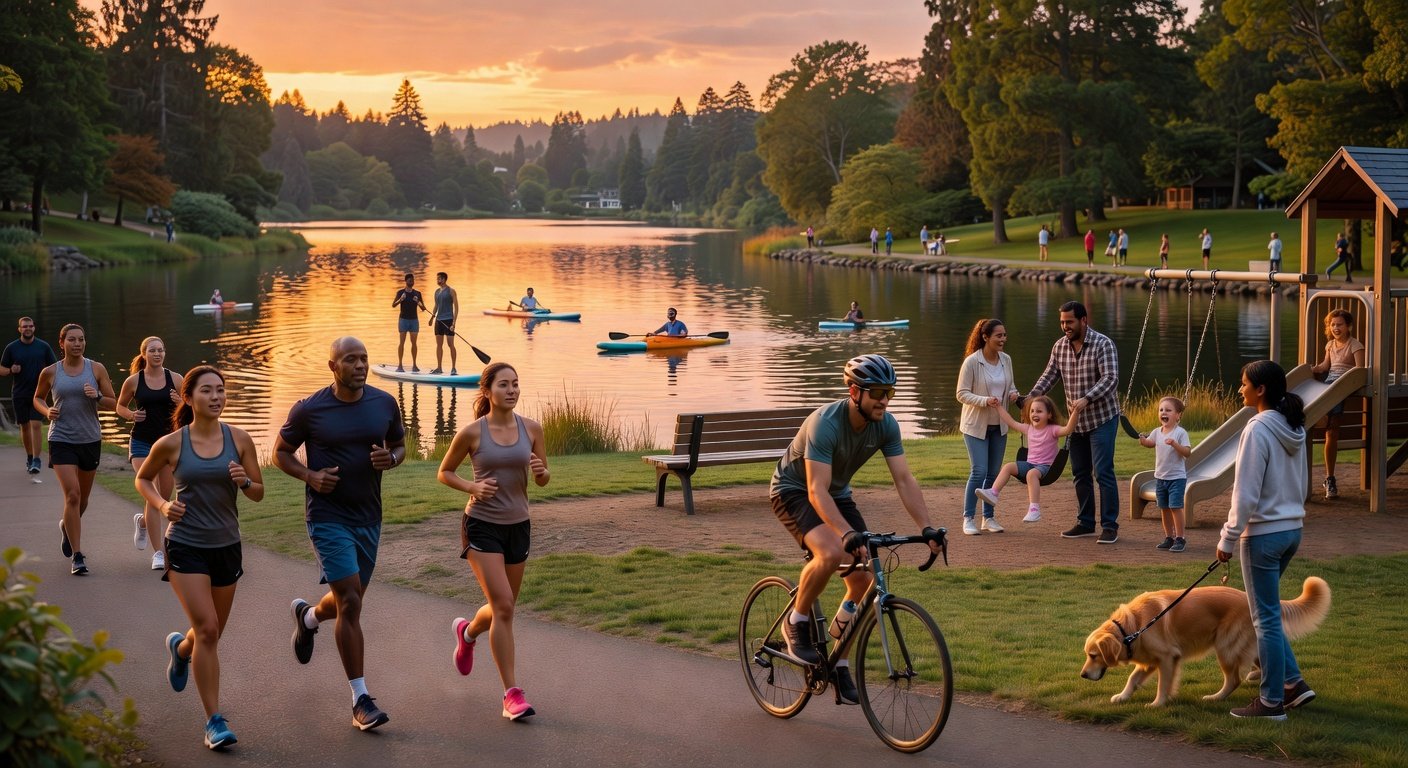
Green Lake Park stands as the neighborhood’s defining recreational asset, offering amenities that justify the area’s premium rental pricing. The park features two beaches—Green Lake Beach on the east side and Woodland Park Beach on the west—both staffed seasonally and offering swimming, paddling, and water sports. The famous 2.8-mile walking and running path encircles the lake, accommodating thousands of daily users from casual walkers to serious athletes. Beyond water activities, the park includes playgrounds, picnic areas, and sports facilities including basketball and tennis courts. Woodland Park Zoo, adjacent to Green Lake’s western edge, provides additional recreational and cultural programming. Renters living in Green Lake apartments enjoy direct access to these facilities, often within a five-minute walk, making outdoor recreation an integral part of daily life rather than a weekend destination.
Beyond the lake itself, Green Lake offers a vibrant commercial and cultural scene. The 65th Street corridor hosts numerous restaurants ranging from casual cafes to upscale dining establishments, plus independent bookstores, vintage shops, and specialty retailers. The neighborhood supports a strong farmers market tradition, with multiple seasonal markets providing fresh produce and local goods. Community institutions like the Green Lake Community Center offer fitness classes, swimming lessons, and community programming. The proximity to the University of Washington creates a younger demographic presence and cultural programming including lectures and performances. Renters should explore the neighborhood during different times of day and seasons to fully appreciate the recreational and cultural opportunities available. This combination of natural amenities and urban conveniences makes Green Lake apartments particularly attractive for those seeking active, engaged lifestyles.
Transportation and Commuting from Green Lake Apartments
Green Lake’s transportation infrastructure balances neighborhood walkability with regional connectivity. King County Metro provides multiple bus routes serving the area, with the 62 and 74 buses offering direct connections to downtown Seattle and the University District. The neighborhood’s position between Interstate 5 and Aurora Avenue provides highway access for those commuting by car, though traffic congestion during peak hours requires consideration. The lack of light rail service within Green Lake itself represents a trade-off—while the neighborhood maintains quieter, more residential character as a result, renters commuting to light rail stations must plan accordingly. Walking and biking are viable commute options for many, with bike lanes on several major streets and the Green Lake path providing recreational cycling. The neighborhood’s walkability score of approximately 74 means most errands can be accomplished on foot, reducing transportation costs and time for daily needs.
For renters commuting to specific employment centers, Green Lake’s location offers distinct advantages and challenges. Those working in the University District enjoy short commutes via bus or bike, often under 15 minutes. Downtown commutes typically require 20-30 minutes depending on traffic and specific starting/ending points. South Seattle and Bellevue commutes prove more challenging, potentially requiring 45 minutes to over an hour depending on traffic conditions. Renters should test commute routes during typical work hours before signing a lease, using Google Maps transit directions and allowing for real-world delays. Some Green Lake apartments include parking, which can be valuable for car commuters, though parking costs typically add $100-200 monthly to rent. The neighborhood’s strong transit connections and walkability make it particularly suitable for renters who work in north Seattle or downtown, or those preferring reduced car dependence.
Apartment Types and Building Characteristics in Green Lake
Green Lake’s housing stock reflects the neighborhood’s evolution over several decades, resulting in diverse apartment types and building styles. Older walk-up buildings from the 1960s-1980s comprise a significant portion of available apartments, often featuring smaller units, fewer amenities, but sometimes lower rents and more character than newer construction. Mid-rise apartment buildings constructed in the 1990s-2000s offer moderate amenities and mid-range pricing, typically including parking and basic fitness facilities. Newer construction from the 2010s onward features modern finishes, rooftop amenities, and premium pricing reflecting current market rates. Converted historic houses provide alternative rental options, sometimes offering more space or unique layouts than traditional apartment buildings, though utilities and maintenance quality vary. Understanding the building type helps predict maintenance quality, amenity availability, and long-term value. Renters should inspect building condition carefully, test water pressure and heating systems, and ask about maintenance response times before committing to Green Lake apartments.
Building management quality varies significantly across Green Lake apartments, making property research essential before renting. Well-managed buildings maintain responsive maintenance, enforce lease terms fairly, and foster positive community environments. Poorly-managed properties may feature slow maintenance responses, inconsistent enforcement of rules, and higher tenant turnover. Online reviews on Google, Yelp, and apartment-specific sites provide valuable insights into management quality and tenant experiences. Asking current tenants about their experiences—if management allows building visits—offers authentic perspective. Newer buildings often feature professional property management companies with established systems, while older buildings may be independently managed with more variable quality. The lease agreement itself should clearly specify maintenance responsibilities, response times for repairs, and dispute resolution processes. Investing time in researching building management before signing protects your rental experience and ensures your deposit and rights receive proper protection.
Practical Considerations Before Signing a Green Lake Lease
Several practical factors deserve careful consideration before committing to Green Lake apartments in Seattle, WA. Parking availability and costs represent a significant ongoing expense—some buildings include parking while others charge $100-200 monthly or offer limited spaces on a first-come basis. If you own a vehicle, confirm parking availability and cost before signing. Utility costs in Seattle typically run $100-150 monthly for a one-bedroom apartment, varying seasonally with heating and cooling demands. Internet and phone services require separate arrangements, with multiple providers available in the neighborhood. Pet policies vary dramatically—some buildings welcome pets with reasonable deposits, while others prohibit them entirely or charge substantial monthly pet rent. If you have pets or plan to adopt, confirm policies explicitly rather than assuming. Lease terms typically run 12 months, though some buildings offer shorter or longer options. Understanding all costs and policies upfront prevents surprises and ensures the apartment truly fits your budget and lifestyle.
Neighborhood noise levels and environmental factors merit serious consideration, particularly for light sleepers or those sensitive to urban sounds. Green Lake’s popularity means summer months bring increased foot traffic, park activity, and evening entertainment noise. Apartments near 65th Street or major bus routes experience more traffic noise than those on quieter residential streets. The neighborhood experiences Seattle’s typical rainy climate, with approximately 150 days of precipitation annually—ensure windows seal properly and building drainage functions well. Seasonal variations affect neighborhood character significantly; summer brings vibrant activity while winter can feel quieter and gloomier. Visiting potential apartments multiple times at different hours and seasons provides realistic perspective on living conditions. Asking building managers about common noise complaints and seasonal patterns helps set expectations. These environmental factors, while not deal-breakers for many renters, significantly impact daily quality of life and deserve thoughtful evaluation.
Lease Terms and Rental Agreement Essentials
Washington State rental law establishes important protections and obligations for both landlords and tenants. Before signing any Green Lake apartments lease, ensure the agreement complies with state law and clearly specifies all terms. Security deposits cannot exceed one month’s rent, and landlords must return deposits within 30 days with itemized deductions for damages. The lease should specify rent amount, due date, late fees, and acceptable payment methods. Maintenance responsibilities must be clearly defined—landlords are responsible for maintaining habitable conditions including heating, plumbing, and structural integrity. The lease should specify how maintenance requests are submitted and expected response times. Renewal terms, lease termination procedures, and notice requirements deserve careful review. Washington law requires landlords to provide notice of rent increases at least 30 days in advance. Understanding these legal protections empowers renters to advocate for themselves and recognize when landlords violate tenant rights.
Application Process and Move-In Timeline
The application process for Green Lake apartments typically involves several steps and can move quickly in this competitive market. Most landlords require completed applications including employment verification, income documentation (usually requiring income at least 2.5-3 times monthly rent), and references from previous landlords or employers. Credit checks are standard, with landlords typically requiring scores above 650, though policies vary. Background checks screen for criminal history, with policies varying regarding which offenses disqualify applicants. Application fees typically range from $30-75 per applicant. Once approved, you’ll sign the lease and provide the security deposit plus first month’s rent. Move-in typically occurs within 2-4 weeks of lease signing, though this varies. Given the competitive market, having all documentation prepared in advance—recent pay stubs, employment verification letters, references—allows you to submit applications quickly when you find suitable Green Lake apartments. Being organized and responsive to landlord requests significantly improves your chances of securing desirable units before other applicants.
Frequently Asked Questions
What is the average rent for Green Lake apartments in Seattle?
As of 2024, one-bedroom Green Lake apartments typically rent for $1,600-$2,100 monthly, while two-bedroom units range from $2,000-$2,800 or more. Prices vary based on proximity to the lake, building age, amenities, and parking availability. Lakeside locations and newly renovated units command premium pricing compared to older buildings further from the water.
Is Green Lake a walkable neighborhood for renters?
Yes, Green Lake has a walkability score of approximately 74, meaning most errands can be accomplished on foot. The neighborhood features restaurants, shops, and cafes concentrated along 65th Street, plus direct access to Green Lake Park and its 2.8-mile walking path. However, some outlying areas require short drives or bus trips for certain services.
What public transportation options serve Green Lake apartments?
King County Metro buses serve Green Lake with multiple routes, including the 62 and 74 buses providing connections to downtown Seattle and the University District. However, Green Lake lacks light rail service directly within the neighborhood. The area’s walkability and bike-friendly infrastructure provide additional transportation alternatives beyond public transit.
Are pets allowed in Green Lake apartments?
Pet policies vary significantly across Green Lake apartments. Some buildings welcome pets with reasonable deposits, while others prohibit them entirely or charge monthly pet rent ($25-50). Always confirm specific pet policies with landlords before applying, as policies differ dramatically between properties and can significantly impact monthly costs.
What should I know about Green Lake’s climate and weather?
Green Lake experiences Seattle’s typical climate with approximately 150 rainy days annually and mild temperatures year-round. Winters are cool and wet while summers are relatively dry. Consider window quality and building insulation when evaluating apartments, as poor sealing can increase heating costs and moisture issues during rainy seasons.
Ready to Find Your Green Lake Apartment?
Navigating the competitive Green Lake rental market requires preparation, timing, and knowledge of what to expect. Whether you’re prioritizing lakeside location, walkable amenities, or specific commute patterns, understanding the neighborhood’s characteristics helps you make confident decisions. Start your search by clarifying your budget, must-have amenities, and lifestyle priorities. Visit potential apartments multiple times at different hours and seasons to assess neighborhood fit. Have all documentation prepared—pay stubs, employment verification, references—to move quickly when you find the right place. If you’d like personalized guidance navigating Green Lake apartments or need recommendations for neighborhoods matching your specific needs, contact our team for a consultation. We’re here to help you find not just an apartment, but a home that truly fits your Seattle lifestyle.

