Why North Seattle Attracts Relocators
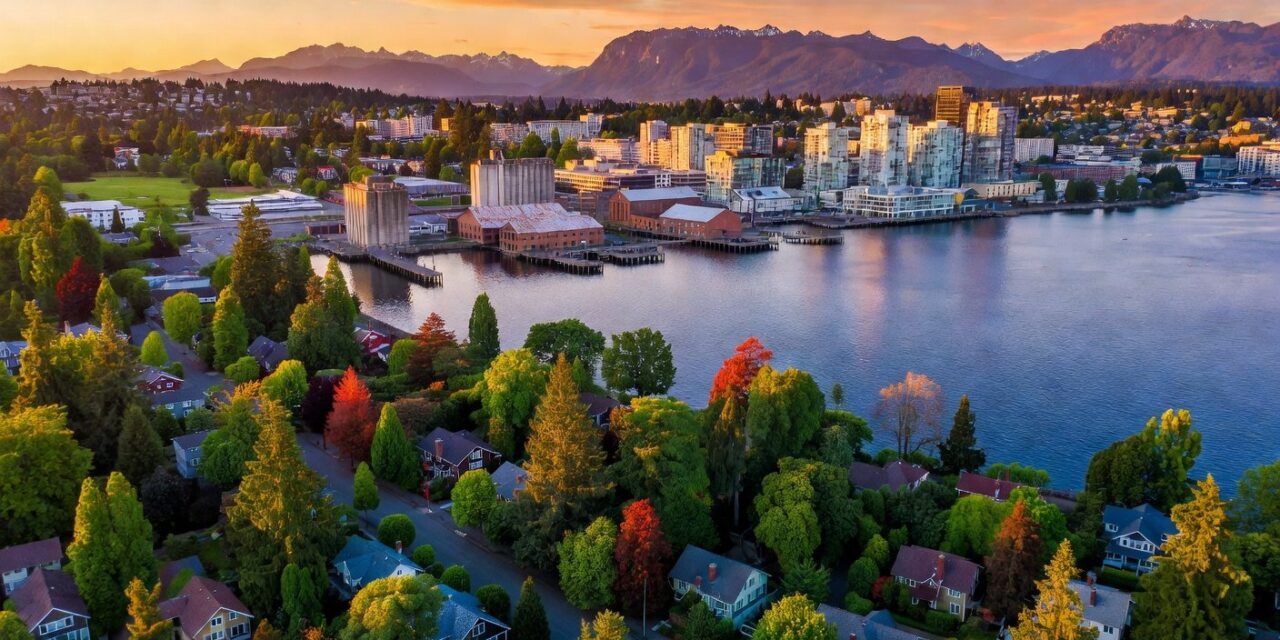
Moving to Seattle has become increasingly popular as remote work reshapes where people choose to live, and North Seattle has emerged as one of the most desirable areas for newcomers. The region offers a compelling blend of urban convenience and residential calm that appeals to families, young professionals, and established workers alike. North Seattle neighborhoods provide easier access to nature compared to downtown, with proximity to Green Lake, the Ballard Locks, and numerous parks that define the Pacific Northwest lifestyle. Housing options range from modern condos to charming historic homes, offering flexibility for different budgets and preferences. The area maintains a strong sense of community while still connecting residents to Seattle’s thriving job market, cultural institutions, and dining scene. For those moving to Seattle Washington from out of state, North Seattle represents an ideal entry point—far enough from downtown congestion to feel residential, yet close enough to enjoy urban amenities without a lengthy commute.
Key North Seattle Neighborhoods for Relocators
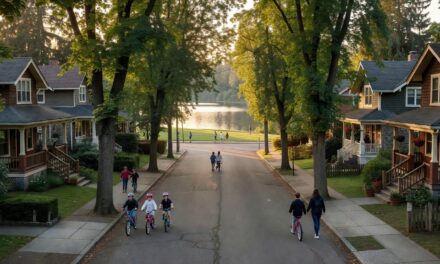
Understanding North Seattle’s distinct neighborhoods is essential when moving to Seattle, as each area has its own character, price point, and community vibe. Ballard has transformed from an industrial district into one of Seattle’s most vibrant neighborhoods, featuring craft breweries, waterfront views, and a strong Scandinavian heritage that influences local culture and dining. Wallingford offers tree-lined streets, independent shops, and a more established residential feel, attracting families and those seeking stability without sacrificing walkability. Green Lake is centered around its namesake lake, providing exceptional recreational opportunities and drawing active residents who prioritize outdoor lifestyle. Fremont sits just south of the main North Seattle cluster and is famous for its quirky, artistic character, public art installations, and Sunday Market. Greenwood and Phinney Ridge provide quieter, more suburban atmospheres while maintaining good transit access and neighborhood-focused shopping districts. Queen Anne, which straddles North and Central Seattle, offers both Lower Queen Anne’s urban density and Upper Queen Anne’s peaceful residential streets. Each neighborhood presents different trade-offs between walkability, noise levels, parking availability, and proximity to specific amenities, making careful research crucial before choosing where to settle.
Ballard: Urban Energy Meets Waterfront Living
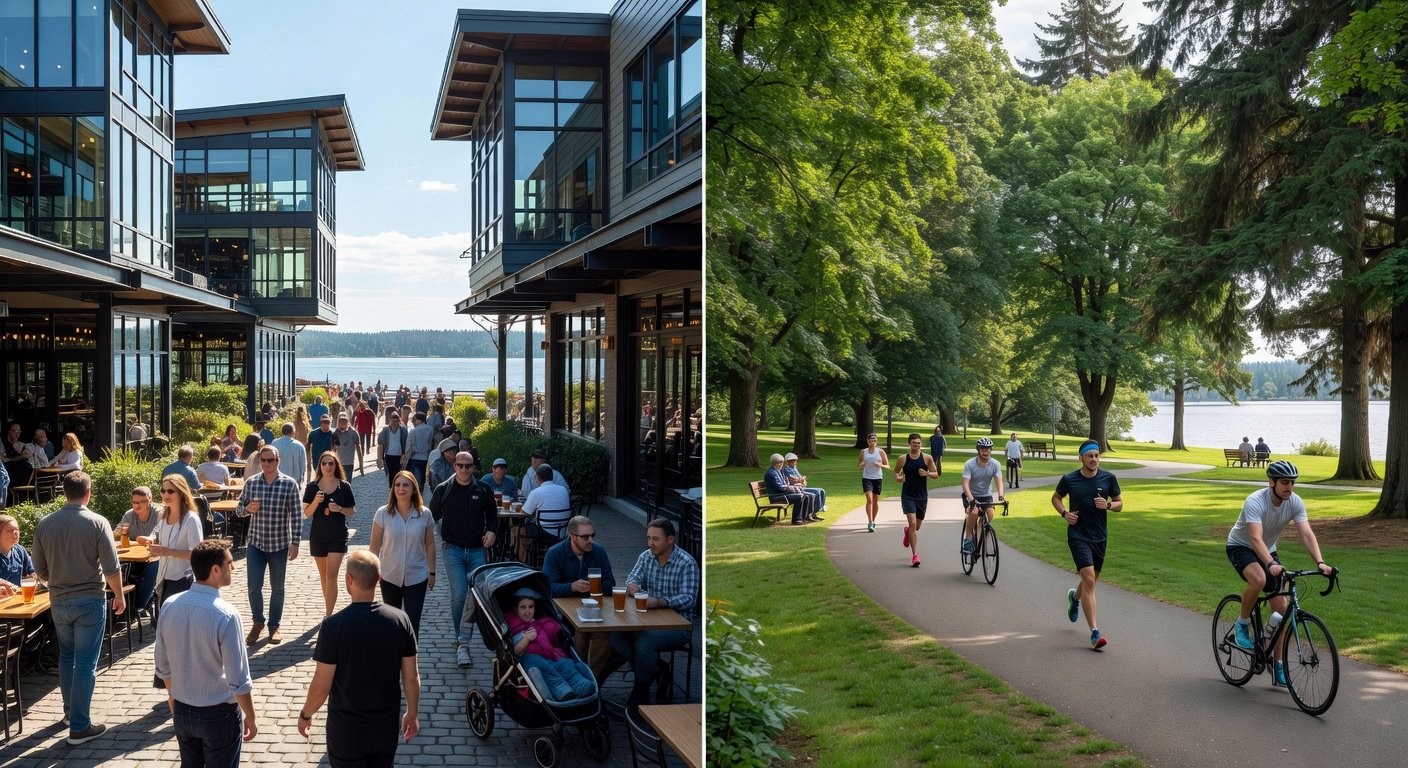
Ballard represents the most dramatic transformation in North Seattle over the past decade, evolving from a quiet Scandinavian enclave into a destination neighborhood that draws young professionals and established families alike. The neighborhood’s waterfront location provides stunning views and direct access to the Ballard Locks, where visitors can watch salmon and sea lions migrate seasonally. The neighborhood’s business district along 15th Avenue West concentrates most of the area’s breweries, restaurants, and retail shops, creating a lively pedestrian environment especially on weekends. Housing prices have risen significantly as demand has increased, with renovated craftsman homes and new apartment buildings commanding premium prices. The neighborhood’s strong community identity persists through local events like the Ballard SeafoodFest and numerous small galleries, though some long-time residents note that rapid gentrification has altered the area’s original character. For those moving to Seattle seeking walkability, nightlife, and waterfront access, Ballard offers these amenities, though at a cost premium compared to other North Seattle neighborhoods.
Wallingford: Family-Friendly Stability
Wallingford appeals strongly to families and those moving to Seattle Washington seeking a more established, stable neighborhood with excellent schools and a genuine community feel. The neighborhood centers around 45th Street, which features local restaurants, independent bookstores, and shops that have served the community for decades, creating a nostalgic charm that newer developments cannot replicate. Tree-lined residential streets with well-maintained homes from the early 1900s define the area’s character, and the neighborhood maintains strict architectural guidelines that preserve its cohesive aesthetic. Woodland Park, home to the Woodland Park Zoo, anchors the neighborhood’s recreational opportunities and provides extensive trails, gardens, and open space. The neighborhood’s schools, particularly Wallingford Elementary and Roosevelt High School, rank highly within Seattle Public Schools and are a primary draw for families. Housing prices remain slightly more accessible than Ballard while still reflecting Seattle’s competitive market, making Wallingford attractive for those moving to Seattle on a moderate budget. The neighborhood’s quieter pace and strong neighborhood association create a genuine sense of belonging that appeals to those seeking long-term stability rather than transient urban living.
Green Lake: Recreation and Active Living
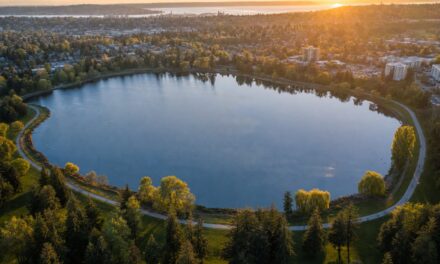
Green Lake neighborhood centers entirely around the 2.8-mile lake that gives it its name, making it the clear choice for those moving to Seattle with a strong commitment to outdoor recreation and active lifestyle. The Green Lake Park loop provides a protected path for running, walking, and cycling that attracts thousands of residents daily, creating a vibrant community of fitness-focused people year-round. The lake itself supports swimming during summer months, rowing clubs, and kayaking, offering water-based recreation options uncommon in most urban neighborhoods. The neighborhood’s business district along 65th Street provides coffee shops, casual restaurants, and retail stores that cater to the active population, though the area lacks the nightlife and fine dining options of Ballard. Housing immediately surrounding the lake commands premium prices due to proximity and views, while properties several blocks away offer more moderate pricing. The neighborhood draws a younger demographic and families with children, as the recreational opportunities and parks create an ideal environment for raising kids or maintaining an active lifestyle. For those moving to Seattle Washington specifically to embrace Pacific Northwest outdoor culture, Green Lake provides unmatched access to water-based and terrestrial recreation without requiring a car.
Cost of Living and Housing When Moving to Seattle
Understanding Seattle’s cost of living is critical when moving to Seattle, as housing prices have risen dramatically over the past decade and represent the largest expense for most relocators. The median home price in North Seattle neighborhoods ranges from approximately $650,000 in quieter areas like Greenwood to over $900,000 in hot markets like Ballard, making homeownership challenging for many newcomers without substantial down payments or high incomes. Rental prices have similarly escalated, with one-bedroom apartments averaging $1,400 to $1,800 monthly depending on neighborhood and amenities, while two-bedroom units range from $1,800 to $2,500. Beyond housing, Seattle’s overall cost of living runs about 15-20% higher than the national average, with groceries, dining, and utilities all reflecting the region’s desirability and high local wages. Property taxes in Washington State are lower than many states due to the absence of state income tax, providing some offset to high housing costs. When moving to Seattle Washington, many relocators find that higher salaries in tech and professional services offset increased living expenses, though this varies significantly by industry. Establishing a realistic budget before relocating and researching specific neighborhood price points prevents costly surprises and helps identify neighborhoods that match both financial capacity and lifestyle preferences.
Schools and Family Considerations in North Seattle
Families moving to Seattle prioritize school quality heavily, and North Seattle neighborhoods offer a range of educational options from highly-ranked public schools to respected private institutions. Seattle Public Schools serves most North Seattle neighborhoods, with schools like Roosevelt High School, Ballard High School, and Wallingford Elementary consistently ranking among the district’s top performers based on test scores and college acceptance rates. School assignment in Seattle uses a choice system rather than strict geographic boundaries, allowing families to apply to schools across the district, though proximity affects waitlist placement and transportation feasibility. Private schools including Forest Ridge, Seattle Prep, and Lakeside offer alternative educational philosophies and smaller class sizes, though tuition costs range from $15,000 to $30,000 annually. Preschool and early childhood education are highly competitive in North Seattle, with many quality programs maintaining waitlists months in advance, requiring families to research and register early. Beyond academics, North Seattle neighborhoods offer abundant extracurricular opportunities through parks and recreation departments, community centers, and neighborhood-based programs that enrich childhood development. Families moving to Seattle should visit schools, speak with current families, and research both academic performance and school culture to ensure alignment with their values and educational priorities.
Transportation and Getting Around North Seattle
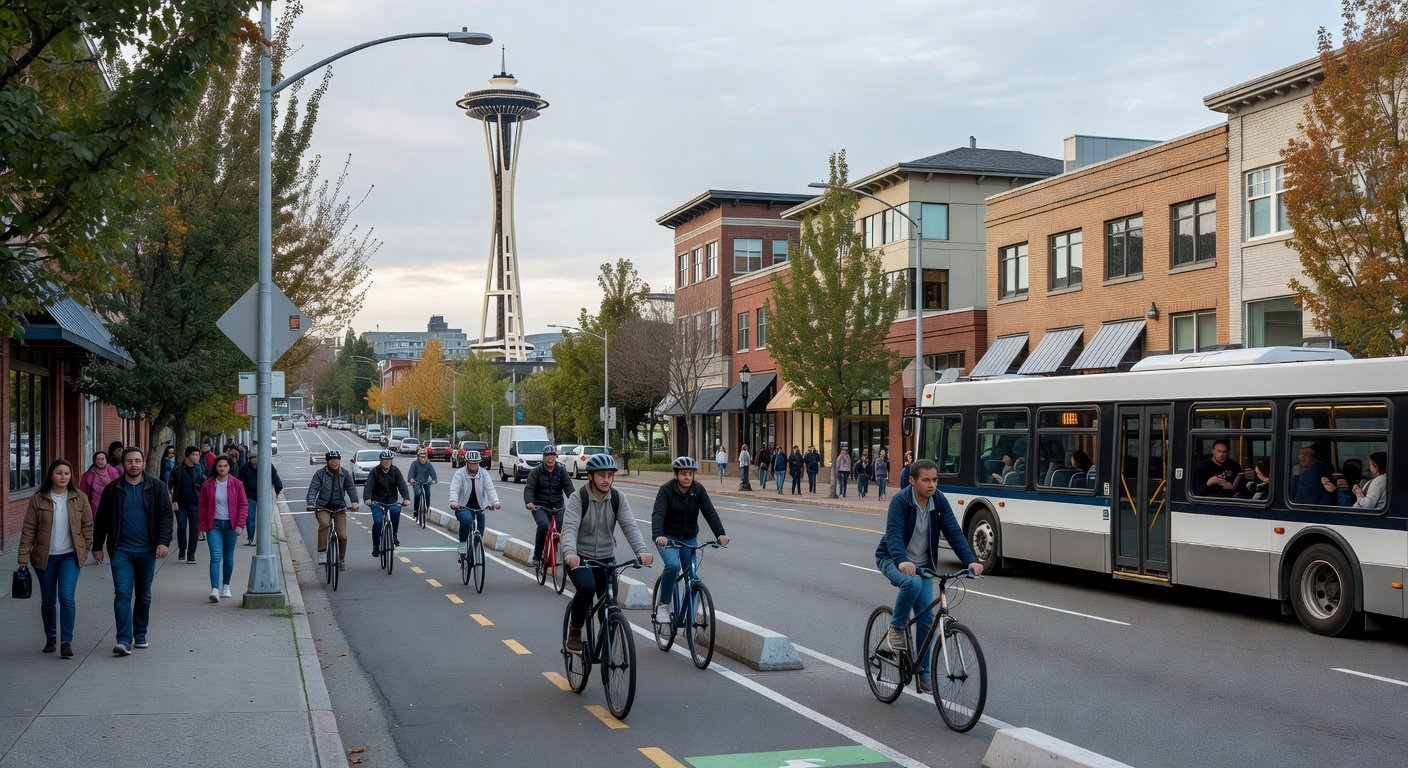
Transportation logistics significantly impact quality of life when moving to Seattle, and North Seattle’s transit infrastructure varies considerably by neighborhood and destination. King County Metro operates extensive bus networks throughout North Seattle, with frequent service on major corridors like 15th Avenue West in Ballard and 45th Street in Wallingford, making car-free living feasible for many residents. The planned light rail expansion to Northgate and beyond will dramatically improve transit connectivity, though as of now, most North Seattle residents rely on buses or personal vehicles for commuting. Biking is increasingly popular and practical in North Seattle, with protected bike lanes on many major streets and relatively flat terrain compared to other Seattle neighborhoods, making cycling a viable commute option for those moving to Seattle seeking active transportation. Driving remains common, though parking challenges and traffic congestion during peak hours make car-dependent living less appealing than in suburban areas. The I-5 corridor runs through North Seattle, providing freeway access but also creating noise and air quality concerns in adjacent neighborhoods. Those moving to Seattle Washington should carefully evaluate their commute destination and transportation preferences before choosing a neighborhood, as this decision impacts both daily quality of life and long-term housing satisfaction.
Weather, Seasons, and Climate Adjustment
Moving to Seattle requires psychological and practical adjustment to the region’s distinctive weather patterns, which differ significantly from most other major U.S. cities and surprise many newcomers. Seattle receives approximately 152 days of precipitation annually, but rainfall is typically light and spread throughout the year rather than concentrated in specific seasons, creating perpetually gray skies rather than dramatic storms. Winter temperatures rarely drop below freezing, with average lows around 37-40 degrees Fahrenheit, eliminating the need for heavy winter coats or snow removal equipment common in colder climates. The region’s most distinctive feature is limited sunshine, particularly from November through February, when daylight hours shrink to around 8-9 hours daily, contributing to seasonal affective disorder in some residents. Summer is exceptionally pleasant, with warm, dry weather from July through September and long daylight hours that extend until 9 PM in June, creating an ideal outdoor season. Those moving to Seattle Washington from sunnier regions should prepare psychologically for reduced daylight and invest in light therapy lamps, outdoor activities during brief sunny periods, and acceptance of the region’s natural rhythm. Understanding and adapting to Seattle’s climate is essential for long-term satisfaction, as weather patterns influence mood, activity levels, and overall quality of life in ways that relocators often underestimate.
Community Culture and Social Integration
Seattle’s cultural character and social dynamics differ notably from many other major cities, and understanding these patterns helps those moving to Seattle integrate more smoothly into their new communities. The region’s famous “Seattle Freeze” describes a tendency for residents to be polite but reserved with strangers, making spontaneous friendships less common than in more outgoing cities, though this reputation is somewhat exaggerated and varies significantly by neighborhood. North Seattle neighborhoods like Ballard and Fremont actively cultivate community through street fairs, farmers markets, and neighborhood associations that provide natural social gathering points for newcomers. The region has a strong environmental consciousness and progressive political leanings that influence local discourse, policies, and community priorities in ways that align well with many relocators’ values. Coffee culture is genuinely central to Seattle’s social fabric, with independent coffee shops serving as informal community gathering spaces where locals spend hours working, reading, and socializing. Outdoor recreation is similarly woven into the cultural identity, with hiking, kayaking, and cycling serving as common social activities and conversation topics. Those moving to Seattle should embrace neighborhood-specific events, join community groups aligned with their interests, and participate in outdoor activities as primary strategies for building social connections and feeling integrated into their new community.
Practical Steps for Moving to Seattle Successfully
Successfully moving to Seattle requires strategic planning beyond simply finding housing, with several practical steps that smooth the transition and prevent costly mistakes. Begin by visiting potential neighborhoods multiple times at different times of day and week to experience the actual environment rather than relying on online research alone, as neighborhoods reveal their true character through direct observation. Engage with neighborhood Facebook groups, Reddit communities, and local forums to ask questions and gain insider perspectives from current residents who understand neighborhood-specific challenges and advantages. Establish your Seattle address and driver’s license early in the moving process, as Washington State’s vehicle registration and licensing processes differ from other states and require specific documentation. Research utility providers, internet options, and service providers before moving, as availability varies by neighborhood and some areas have limited choices for high-speed internet or specific utility companies. Connect with local professional networks, hobby groups, and community organizations before or immediately after moving to establish social connections and reduce the isolation that often accompanies relocation. Consider hiring a local real estate agent familiar with North Seattle neighborhoods if purchasing property, as their market knowledge and connections provide significant advantages in a competitive market. Finally, allow yourself a grace period of adjustment, recognizing that homesickness and culture shock are normal responses to relocation that typically diminish as familiarity and community connections develop.
Frequently Asked Questions
What is the best North Seattle neighborhood for families moving to Seattle?
Wallingford is widely considered the best family neighborhood in North Seattle, offering excellent schools, tree-lined residential streets, proximity to Woodland Park Zoo, and a strong sense of community. Green Lake is also popular for active families who prioritize outdoor recreation and parks. Both neighborhoods provide good schools and family-friendly amenities without the nightlife-focused atmosphere of Ballard.
How much should I budget for moving to Seattle and living expenses?
Budget at least $50,000-$75,000 for the moving process itself, including transportation and temporary housing. Monthly living expenses for a single person average $2,500-$3,500, while families should budget $4,000-$6,000+ depending on neighborhood and lifestyle. Housing represents 40-50% of these costs, making it the primary expense when moving to Seattle.
Do I need a car when moving to Seattle’s North Seattle neighborhoods?
A car is not essential in North Seattle, particularly in walkable neighborhoods like Ballard and Wallingford where buses and bikes provide viable transportation. However, a car significantly increases convenience and flexibility, especially for accessing outdoor recreation areas outside the city. Most North Seattle residents own cars, though many supplement with transit and biking.
What should I know about Seattle’s weather before moving there?
Seattle receives frequent light rain year-round but rarely extreme weather. Winters are mild (37-40°F) but very gray with limited daylight. Summers are exceptionally pleasant and dry. Those moving to Seattle from sunnier regions should prepare for reduced daylight and invest in light therapy if sensitive to seasonal changes.
What are the job opportunities when moving to Seattle?
Seattle’s economy is dominated by tech companies (Amazon, Microsoft, Google), aerospace (Boeing), healthcare, and creative industries. The region offers strong job markets for software engineers, product managers, healthcare professionals, and creative workers. Tech salaries are particularly competitive, often offsetting the high cost of living for those moving to Seattle in these fields.
Ready to Make Your Move to Seattle?
Moving to Seattle is a significant decision that benefits from expert guidance and local knowledge. Whether you’re researching neighborhoods, evaluating schools, or planning your relocation logistics, our team understands North Seattle’s unique character and can help you navigate the process smoothly. Contact us today to discuss your specific situation and get personalized recommendations for neighborhoods that match your lifestyle, budget, and priorities. Let’s help you find your place in North Seattle.