Understanding Fremont’s Unique Character
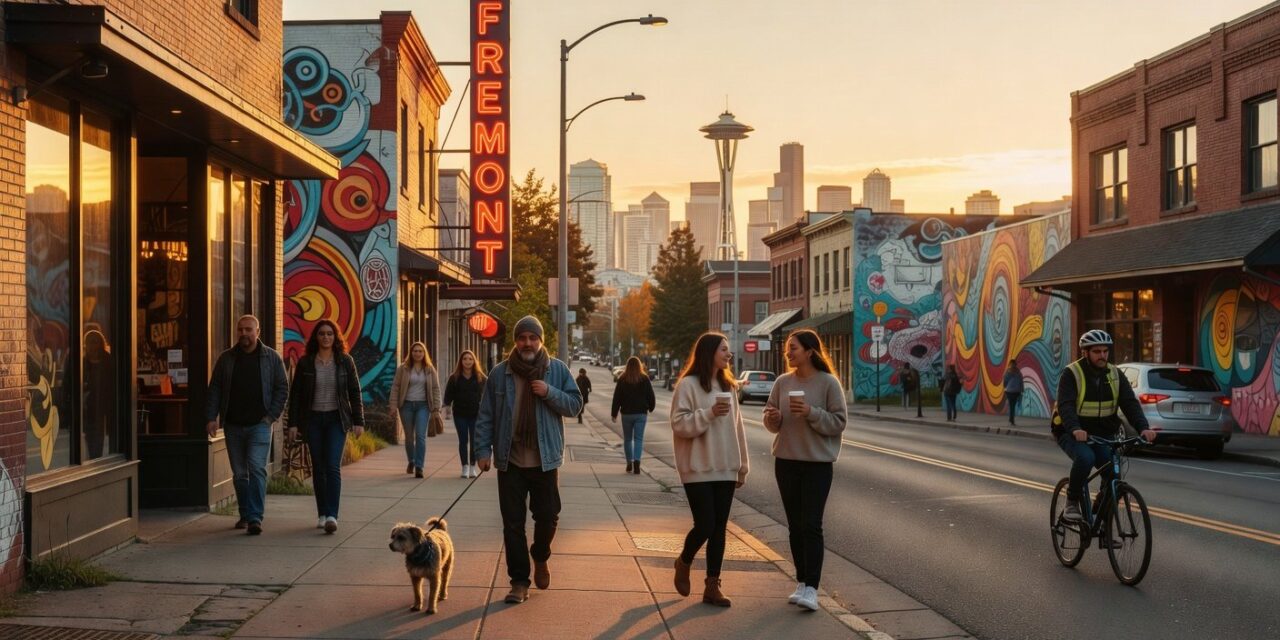
Fremont has earned its self-proclaimed title as the ‘Center of the Universe’ through decades of cultivating an unmistakably quirky, creative identity that sets it apart from other Seattle neighborhoods. Located north of the Ballard Bridge and west of the University District, this Fremont Seattle neighborhood spans roughly from the Fremont Bridge to 50th Street, creating a compact but densely packed cultural hub. The neighborhood’s distinctive personality emerges from its eclectic mix of artists, entrepreneurs, and longtime residents who’ve deliberately shaped Fremont into something authentically different. What began as an industrial area has transformed into one of Seattle’s most vibrant communities, where street art adorns nearly every surface, independent businesses thrive, and community events draw thousands of visitors annually. The neighborhood’s self-aware humor about its status as the ‘Center of the Universe’ reflects a deeper truth: Fremont residents genuinely believe their neighborhood deserves attention, and they’ve built institutions and traditions that justify that confidence. This guide reveals what makes Fremont special and why so many people choose to live, work, and spend their time here.
The Fremont Seattle neighborhood’s evolution tells a story of intentional community building. What could have become just another gentrified Seattle area instead developed into a place where quirk is celebrated rather than smoothed over. You’ll notice this immediately upon arrival: the Lenin statue stands defiantly in the Fremont Center, the Fremont Troll grips a real Volkswagen Beetle under the Aurora Bridge, and the Fremont Sunday Market operates year-round with vendors selling everything from vintage clothing to handmade jewelry. These aren’t accidental attractions but rather expressions of a community that values creativity and self-expression. The neighborhood’s business owners, many of whom operate independent shops and restaurants rather than chain establishments, actively participate in neighborhood associations and events. This commitment to community character means that Fremont remains remarkably resistant to the homogenization that affects many urban neighborhoods. Whether you’re considering moving here, visiting for a day, or simply curious about what makes this corner of Seattle tick, understanding Fremont’s character provides context for everything the neighborhood offers.
Where to Eat and Drink in Fremont
The Fremont Seattle neighborhood has developed an impressive dining scene that reflects both its creative spirit and its position as a gathering place for North Seattle residents. From casual neighborhood cafes to ambitious restaurants, Fremont offers options that satisfy diverse tastes and budgets. Serious Coffee, located on Fremont Avenue, has become an institution for locals who demand quality espresso and a welcoming atmosphere where you might overhear conversations about art, tech startups, or neighborhood politics. For something more substantial, Revel serves elevated comfort food in a warm, unpretentious setting that captures Fremont’s ethos perfectly. The neighborhood also hosts excellent options for international cuisine: Uneeda Burger delivers exactly what its name promises with locally sourced beef and creative toppings, while Joule serves inventive vegetable-forward dishes that appeal to Fremont’s health-conscious residents. The Sunday Market area fills with food vendors during warmer months, offering everything from Thai street food to wood-fired pizza. What distinguishes dining in the Fremont Seattle neighborhood is the emphasis on quality ingredients, creative preparation, and genuine hospitality rather than trend-chasing or corporate standardization.
Beyond individual restaurants, Fremont’s bar and brewery culture deserves special attention. Fremont Brewing Company operates a spacious taproom where locals gather to enjoy thoughtfully crafted beers in a genuine community space rather than a manufactured ‘Instagram-ready’ venue. The brewery’s commitment to the neighborhood extends beyond beer production; they actively sponsor local events and employ community members. For cocktails, Rebar offers creative drinks in an intimate setting where bartenders actually know their craft. The neighborhood’s coffee culture extends into the evening with multiple venues offering wine, beer, and spirits in relaxed, conversational environments. What you won’t find in the Fremont Seattle neighborhood are the chain restaurants and corporate coffee shops that dominate other Seattle areas. This commitment to independent, locally-owned establishments means your dining dollar supports neighborhood residents and reinforces Fremont’s distinctive character. Whether you’re grabbing a quick coffee before exploring the neighborhood or settling in for a leisurely dinner, Fremont’s food and drink scene reflects the values and creativity that define the community.
Arts, Culture, and Community Events
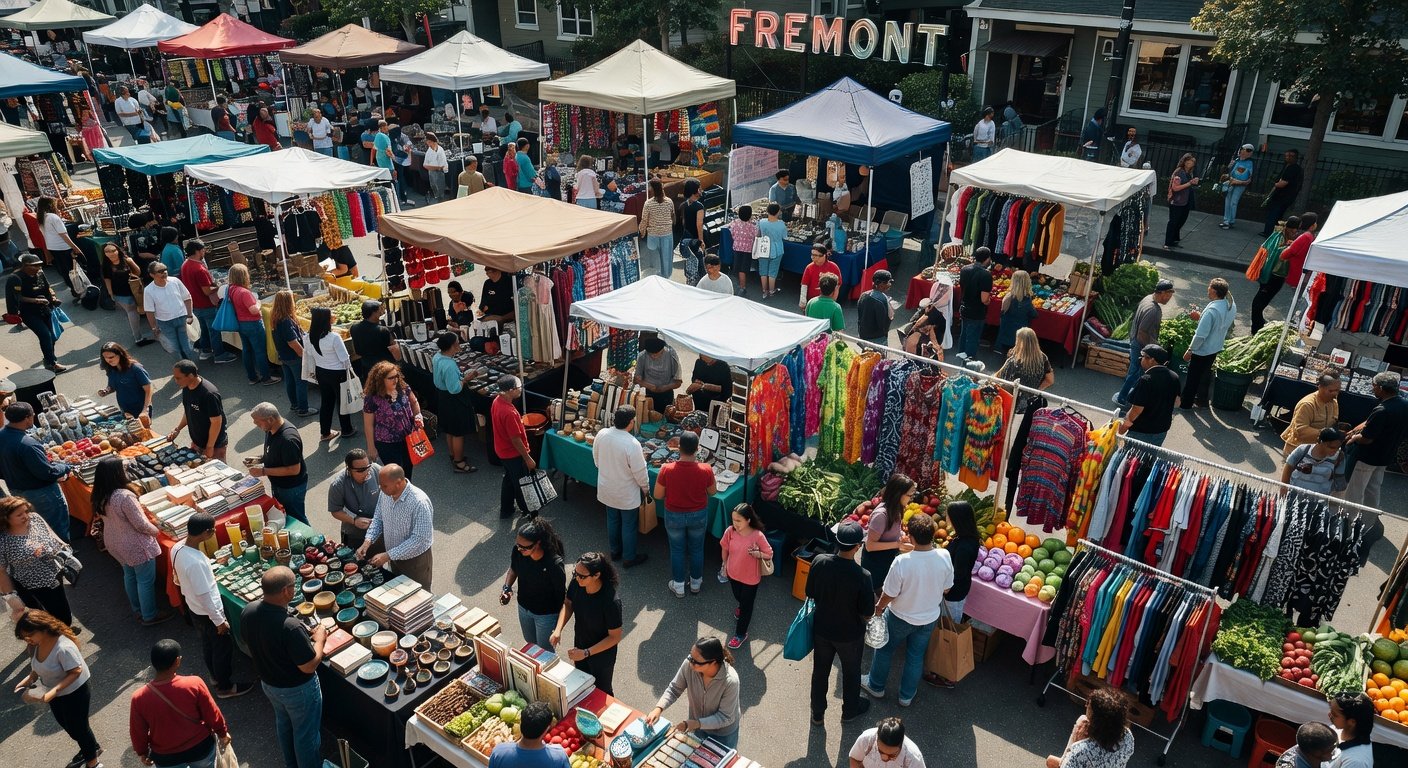
The Fremont Seattle neighborhood functions as a cultural engine for North Seattle, hosting events and institutions that draw visitors from across the city and beyond. The Fremont Sunday Market operates year-round every Sunday, transforming the Fremont Center into a vibrant bazaar where local artisans, vintage dealers, and food vendors showcase their work. This isn’t a tourist trap but rather a genuine community gathering where you’ll see longtime residents reconnecting with neighbors, families exploring together, and serious collectors hunting for specific items. The market’s energy varies by season: summer Sundays overflow with crowds and activity, while winter markets feel more intimate and focused. Beyond the Sunday Market, Fremont hosts numerous festivals throughout the year, including the Fremont Fair in June, which celebrates the neighborhood’s arts community with live music, performance art, and the quirky Solstice Parade featuring elaborate floats and costumed participants. The Fremont Art Council actively supports local artists through exhibitions, public art installations, and community programs that ensure Fremont remains a creative hub. The Fremont Seattle neighborhood’s commitment to arts and culture isn’t limited to formal events; street art covers buildings throughout the area, with murals and installations ranging from whimsical to thought-provoking.
The neighborhood’s cultural institutions provide ongoing programming beyond seasonal events. The Fremont Abbey Arts Center offers performances, exhibitions, and community gatherings in a converted church building that perfectly captures Fremont’s aesthetic of repurposing spaces for creative use. Local galleries, though fewer than in some Seattle neighborhoods, feature work by emerging and established artists with strong ties to the community. The Fremont Seattle neighborhood’s approach to culture emphasizes participation and community involvement rather than passive consumption. This means residents don’t simply attend events; they help create them through volunteering, performing, exhibiting, and organizing. The neighborhood’s numerous community associations and groups provide opportunities for residents to shape neighborhood character, advocate for local interests, and build relationships with neighbors. For visitors, this vibrant cultural scene means you’ll encounter authentic community expression rather than commercialized versions of creativity. The energy in Fremont comes from genuine passion for art, music, and community rather than marketing departments trying to manufacture a ‘cultural vibe.’ Whether you’re interested in visual art, live music, theater, or simply observing how a community organizes itself around creative values, the Fremont Seattle neighborhood offers compelling examples and opportunities.
Shopping and Local Businesses
The Fremont Seattle neighborhood’s retail landscape reflects the community’s commitment to independent business and creative entrepreneurship. Walking down Fremont Avenue, you’ll encounter a remarkable concentration of locally-owned shops that sell everything from vintage clothing to rare books to handcrafted goods. Ophelia’s Books specializes in used and rare volumes with knowledgeable staff who can help you navigate their extensive collection. Fremont Vintage Mall offers multiple vendors under one roof, making it easy to spend hours hunting through vintage furniture, clothing, and collectibles. For those seeking contemporary goods, numerous small shops sell jewelry, home goods, clothing, and art created by local makers. What distinguishes shopping in the Fremont Seattle neighborhood is the genuine expertise and passion that shop owners bring to their work. These aren’t corporate retail positions but rather business owners who’ve chosen to build their enterprises in Fremont specifically because the neighborhood supports independent commerce. The shopping experience here emphasizes discovery and conversation rather than efficiency and transaction. Store owners often know their regular customers by name and can recommend products based on individual preferences. This personal touch, increasingly rare in retail, makes shopping in Fremont feel like connecting with community members rather than simply purchasing goods.
Beyond retail shops, the Fremont Seattle neighborhood hosts a thriving service economy where local professionals—therapists, accountants, yoga instructors, personal trainers—operate independent practices rather than joining corporate chains. This diversity of independent business creates a neighborhood where money circulates locally and decisions about community character rest with residents rather than distant corporate headquarters. The neighborhood’s business community actively engages in local affairs through participation in the Fremont Chamber of Commerce and various neighborhood associations. This engagement means that business owners have genuine stakes in neighborhood quality, safety, and character. You’ll notice this in details like well-maintained storefronts, attention to street cleanliness, and willingness to sponsor community events. The Fremont Seattle neighborhood’s commitment to supporting independent business extends to residents, many of whom deliberately choose to shop locally even when chain alternatives might offer lower prices or greater convenience. This creates a virtuous cycle where independent businesses thrive, neighborhood character remains distinctive, and the community continues attracting creative residents and entrepreneurs. For anyone considering moving to or spending significant time in Fremont, understanding the local business ecosystem provides insight into how the neighborhood actually functions and what values it prioritizes.

Getting Around and Neighborhood Layout
The Fremont Seattle neighborhood’s geography and transportation options significantly influence how residents and visitors experience the area. Fremont Avenue North serves as the neighborhood’s main commercial spine, running north-south and hosting most of the shops, restaurants, and cultural institutions that define Fremont’s character. The neighborhood’s core, often called the Fremont Center, clusters around the intersection of Fremont Avenue and North 35th Street, where you’ll find the Sunday Market, the Lenin statue, and numerous shops and restaurants. From this central location, the neighborhood extends roughly from the Fremont Bridge to the south to North 50th Street to the north, and from Woodland Park to the east to the Ballard neighborhood to the west. This compact geography means you can explore most of Fremont’s major attractions on foot in a few hours, though many residents and visitors spend entire days discovering side streets, small galleries, and neighborhood gems. The Fremont Seattle neighborhood’s walkability ranks among Seattle’s best, with wide sidewalks, interesting storefronts, and relatively safe streets that encourage pedestrian exploration. Public transportation connects Fremont to other Seattle neighborhoods through multiple bus routes, with the King County Metro system providing reliable service to downtown Seattle, the University District, and other neighborhoods.
For those arriving by car, parking in the Fremont Seattle neighborhood presents challenges common to Seattle’s popular neighborhoods. Street parking exists but fills quickly during peak hours and weekend events, particularly around the Sunday Market. Several paid parking lots provide alternatives, though many residents rely on street parking or transit. The neighborhood’s compact layout and walkability mean that having a car isn’t essential for enjoying Fremont, particularly if you’re visiting for a day or weekend. Cyclists find Fremont relatively bike-friendly, with connections to Seattle’s growing network of protected bike lanes and paths. The neighborhood’s proximity to the Burke-Gilman Trail, a popular multi-use path, makes Fremont accessible to cyclists exploring North Seattle. For those living in Fremont, the neighborhood’s location provides reasonable commute times to downtown Seattle, the University of Washington, and other employment centers, though traffic on the Fremont Bridge during rush hours can be significant. Understanding Fremont’s layout and transportation options helps you plan visits, navigate the neighborhood efficiently, and appreciate why residents value the area’s walkability and connectivity. The Fremont Seattle neighborhood’s design encourages exploration on foot, making it easy to stumble upon unexpected shops, murals, and community spaces that contribute to its distinctive character.
Housing and Living in Fremont
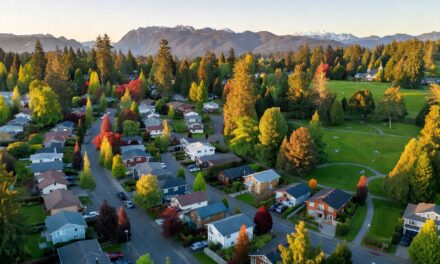
The Fremont Seattle neighborhood’s housing market reflects broader trends affecting Seattle while maintaining some distinctive characteristics. Housing options range from single-family homes, many built in the early-to-mid 20th century, to apartment buildings and newer multi-family developments. The neighborhood’s residential blocks, particularly those away from Fremont Avenue, feature charming older homes with character and architectural detail. These homes, many built before World War II, appeal to residents seeking established neighborhoods with mature trees and established community character rather than newly developed areas. Rental apartments and condominiums provide options for those not seeking single-family ownership, though prices in the Fremont Seattle neighborhood reflect Seattle’s broader housing affordability challenges. The neighborhood’s desirability among young professionals, artists, and families willing to prioritize community character over square footage has contributed to rising housing costs over the past two decades. However, compared to some Seattle neighborhoods, Fremont remains relatively accessible, particularly for those willing to accept smaller living spaces in exchange for vibrant neighborhood amenities and character. For renters, the neighborhood offers diverse options at various price points, though availability remains competitive given Fremont’s popularity.
Living in the Fremont Seattle neighborhood means becoming part of an engaged community with strong neighborhood associations and active participation in local affairs. Residents benefit from the neighborhood’s walkability, cultural amenities, and strong sense of community identity. The trade-offs include higher housing costs than outer Seattle neighborhoods, limited parking, and the occasional disruption from large events like the Fremont Fair or Sunday Market crowds. Many residents view these trade-offs as worthwhile given the neighborhood’s distinctive character and community engagement. The neighborhood’s demographic composition has shifted over recent decades, with younger professionals and families increasingly moving to Fremont, though longtime residents and artists remain important community members. This demographic evolution has created some tension between long-term residents concerned about gentrification and newcomers attracted by the neighborhood’s cultural vitality. Despite these tensions, Fremont’s community institutions and active neighborhood associations work to maintain neighborhood character while accommodating change. For anyone considering moving to the Fremont Seattle neighborhood, understanding both the attractions and the realities of living here—including housing costs, parking challenges, and the neighborhood’s evolution—helps inform the decision. The neighborhood offers genuine community, cultural engagement, and distinctive character that appeal to many Seattle residents, even if it requires accepting some urban living trade-offs.
The Iconic Fremont Landmarks
Several distinctive landmarks define the Fremont Seattle neighborhood’s visual identity and serve as gathering points for residents and visitors. The Fremont Troll, a massive sculpture gripping a real Volkswagen Beetle under the Aurora Bridge, has become perhaps the neighborhood’s most recognizable symbol. Created in 1990 as a temporary art installation, the troll became so beloved that it became permanent, and it now attracts thousands of visitors annually who photograph themselves with the sculpture. The Lenin statue, relocated to Fremont from the Soviet Union after the Cold War, stands in the Fremont Center as a quirky monument that perfectly encapsulates the neighborhood’s embrace of unconventional art and history. The statue generates ongoing conversation and debate about its meaning and appropriateness, which is precisely the kind of engagement Fremont residents enjoy. The Fremont Seattle neighborhood’s public art extends beyond these famous landmarks to include numerous murals, sculptures, and installations throughout the area. The Fremont Center itself, marked by the iconic neon ‘FREMONT’ sign, serves as the neighborhood’s symbolic heart and the location of the Sunday Market. These landmarks collectively communicate that the Fremont Seattle neighborhood values creativity, humor, and unconventional expression, making them far more than tourist attractions but rather authentic expressions of community identity.
Frequently Asked Questions
What makes Fremont Seattle neighborhood unique compared to other Seattle neighborhoods?
The Fremont Seattle neighborhood distinguishes itself through its embrace of quirky, creative culture, independent businesses, and active community engagement. The neighborhood’s iconic landmarks like the Fremont Troll and Lenin statue, combined with its commitment to local artists and entrepreneurs, create a distinctive identity that prioritizes authenticity over commercialization. This intentional cultivation of neighborhood character sets Fremont apart from areas that have undergone more conventional gentrification.
Is the Fremont Seattle neighborhood walkable and easy to navigate?
Yes, the Fremont Seattle neighborhood ranks among Seattle’s most walkable areas. The compact core around Fremont Avenue and North 35th Street contains most major attractions, shops, and restaurants within easy walking distance. The neighborhood’s wide sidewalks, interesting storefronts, and pedestrian-friendly design encourage exploration on foot. Most visitors can explore primary attractions in a few hours, though discovering side streets and neighborhood gems rewards longer visits.
What are the best times to visit the Fremont Seattle neighborhood?
The Fremont Seattle neighborhood offers year-round activities, though summer provides the most vibrant experience with the Fremont Fair, bustling Sunday Market, and outdoor events. Spring and fall offer pleasant weather with fewer crowds. The Sunday Market operates year-round every Sunday, making it a consistent draw. Winter visits offer a more intimate neighborhood experience with fewer tourists but still access to shops, restaurants, and cultural venues.
How expensive is it to live in the Fremont Seattle neighborhood?
Housing costs in the Fremont Seattle neighborhood reflect Seattle’s broader affordability challenges, with prices higher than outer neighborhoods but somewhat lower than some central Seattle areas. Single-family homes, rentals, and condominiums all exist at various price points. The neighborhood’s desirability among young professionals and families seeking community character has contributed to rising costs over recent decades, though options remain available at different budget levels.
What parking options exist in the Fremont Seattle neighborhood?
Street parking exists throughout the Fremont Seattle neighborhood but fills quickly during peak hours and weekend events. Several paid parking lots provide alternatives, particularly near the Fremont Center. The neighborhood’s walkability and public transportation connections mean that having a car isn’t essential for enjoying Fremont, particularly for day visits. Residents often rely on street parking or transit, though parking challenges exist during major events like the Sunday Market.
Ready to Explore Fremont?
Whether you’re considering moving to the Fremont Seattle neighborhood, planning a visit, or simply curious about what makes this community special, we’d love to help you navigate the area. Contact us for personalized recommendations, neighborhood insights, or information about living in Fremont. Our team knows this neighborhood intimately and can connect you with local resources, answer specific questions, or provide guidance for your next Fremont adventure.